+82 10 9893 2839



Also known as ground calcium carbonate (GCC), heavy calcium is a white, high-purity powder produced by grinding calcite. It resists water and ethanol, offering features like high brightness, stable chemistry, heat and chemical resistance, plus mechanical durability.
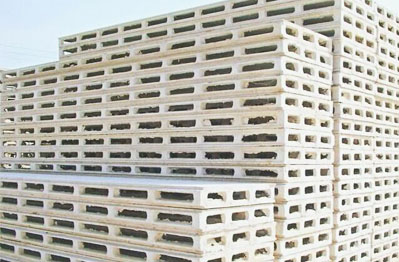
Construction & Building Materials: Used in ceramics, floor and wall panels, doors, and ceilings.
Plastics & Rubber: Enhances rigidity, dimensional stability, and processability while cutting costs.
Paper, Coatings & Inks: Acts as a filler and pigment to increase volume and brightness.
Everyday Products: Found in toothpaste, medicines, cosmetics, and as a feed additive—valued for its safety and cost-efficiency.
Because it boosts bulk at lower cost, heavy calcium carbonate is a go-to choice across many industries.
Known as precipitated calcium carbonate (PCC), light calcium is made chemically—through calcination, hydration, and carbonation—resulting in finer particles and higher purity than its heavy counterpart.
Printing & Paper: Enhances brightness, smoothness, and print quality.
Coatings & Paints: Offers excellent whiteness and coverage.
Toiletries & Cosmetics: Used for whitening and polishing in toothpaste and makeup.
Industrial Uses: In metallurgy, glassmaking, and synthetic chemistry.
Its fine texture and high oil absorption improve smoothness and optical properties. Yet, overuse can cause paint thickening or caking, and high alkalinity may complicate formulations.
| Feature | Heavy Calcium Carbonate (GCC) | Light Calcium Carbonate (PCC) |
|---|---|---|
| Production Method | Ground from calcite rock | Chemically precipitated from CaCO₃ |
| Purity & Particle Size | Lower purity, coarser particles | High purity, very fine particles |
| Whiteness & Coverage | Moderate — affordable filler | High — excellent optical properties |
| Oil Absorption | Low — stable, easier to formulate | High — can thicken coatings if used too much |
| Cost | More economical | Higher cost due to production complexity |
Heavy GCC: Ideal for volume enhancement and cost reduction in diverse applications.
Light PCC: Chosen when high whiteness, surface finish, or reactivity are prioritized, albeit at higher cost.
Q1: What is heavy calcium carbonate used for?
Heavy calcium carbonate is widely used as a filler and reinforcing agent in building materials, coatings, inks, plastics, rubber, paper, and even hygiene products—thanks to its affordability and reliability.
Q2: What makes light calcium carbonate special?
Light calcium carbonate stands out with its higher purity, finer powder, superb whiteness, and coverage, making it essential in fine coatings, high-quality paper, cosmetics, and specialty chemicals.
Q3: Which one should I choose—heavy or light calcium carbonate?
If cost and volume are key, heavy GCC is typically best. If surface quality, brightness, or performance are critical, opt for light PCC—or use a blend to balance both.
Q4: Can both be mixed in a formulation?
Yes! Blending GCC and PCC can combine the benefits of both—volume efficiency and optical quality—while keeping costs moderate.
While both heavy and light calcium carbonate share the same chemical makeup (CaCO₃), their manufacturing routes, physical traits, and industrial roles diverge significantly.
Heavy calcium carbonate excels as a budget-friendly bulk filler with robust performance.
Light calcium carbonate delivers superior whiteness and fineness, making it valuable for aesthetic or high-precision formulations.
Choosing between them—or using a blend—allows manufacturers to optimize performance, cost, and product quality effectively.