+82 10 9893 2839


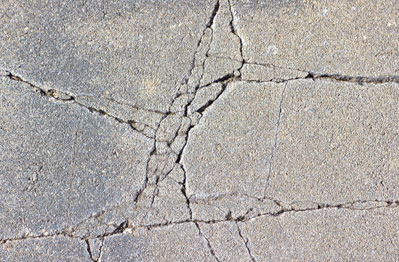
In underground engineering, complex environments such as temperature fluctuations, water accumulation, high humidity, and tight deadlines impose stringent requirements on material performance. Traditional Portland cement faces challenges due to slow curing and cracking from shrinkage, whereas rapid-setting calcium sulfoaluminate (CSA) cement, with its quick setting, high strength, and durability, has become a revolutionary choice for underground construction.
Technical Advantages of Rapid-Setting Calcium Sulfoaluminate Cement
Rapid-setting CSA cement forms structures rapidly through ettringite needle formation, with an initial set in 20 minutes and compressive strength reaching 3000 psi in 1.5 hours and exceeding 8000 psi in 24 hours, significantly surpassing traditional cement. Its hydration process involves almost no shrinkage, mitigating the risk of cracking, and achieves high strength without the need for accelerators. Additionally, CSA cement has strong resistance to sulfate attack and has a carbon footprint 32% lower than Portland cement, offering both environmental and long-term benefits.
Underground Application Cases of Rapid-Setting Calcium Sulfoaluminate Cement
Tunnels and Transportation Facilities: The California Department of Transportation (Caltrans) utilized rapid-setting CSA cement to replace over 350 miles of highway pavement. At Washington state's Sea-Tac Airport, a runway repair was completed within a 6-hour construction window, allowing operations to resume the next day.
Shotcrete: Rapid-setting CSA cement is used for lining culverts and drainage pipes, where a thin layer of sprayed concrete meets the required strength, significantly shortening construction periods.
Rapid Repair: In scenarios such as waterlogged tunnels or broken pavements, CSA mixtures can be directly applied in standing water and harden within an hour to form a wear-resistant layer, supporting the passage of equipment.
With its high strength, quick setting, and low environmental impact, rapid-setting CSA cement is reshaping underground construction standards. Its technical advantages and economic benefits are particularly prominent in scenarios with tight schedules and harsh environments, establishing it as a strategic material for modern flooring and underground engineering.