+82 10 9893 2839


The Production Process of CSA Cement
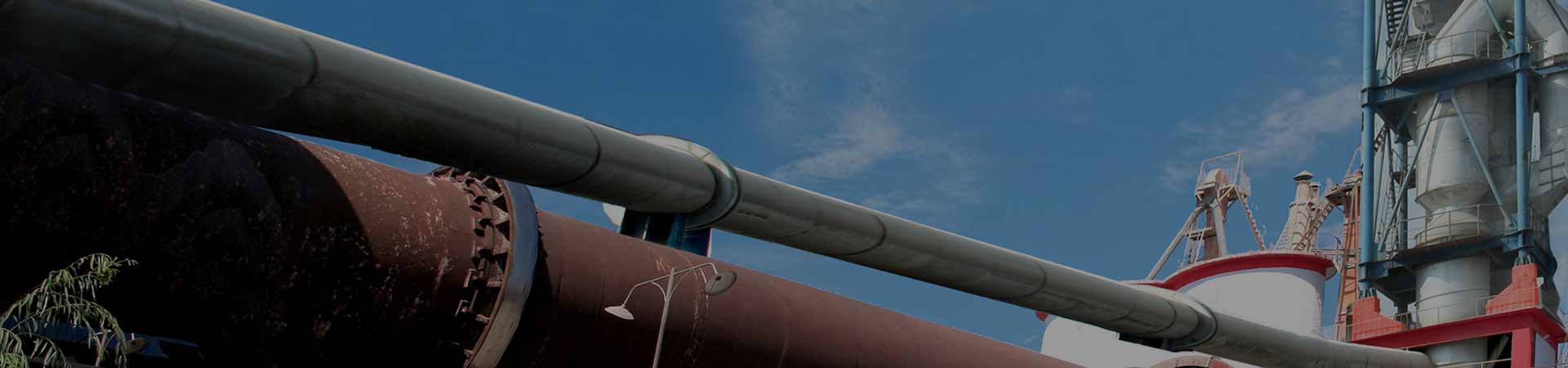
The production process of CSA cement is similar to that of Portland cement, following the principle of “two grinding and one burning.” The clinker burning process is the core concept of CSA cement production. In recent years, as the cement industry has increasingly focused on resource savings, energy savings, and environmental protection, many researchers have begun exploring the possibility of using industrial solid waste as raw material for burning CSA cement clinker.
The Application of CSA Cement in Rapid Repair
Numerous experimental studies have proven that CSA cement, with its rapid setting and early strength properties, plays a crucial role in emergency repair and construction projects. It is considered an advanced hydraulic cementitious material. In road surface emergency repairs and maintenance, CSA cement mixed with early strength agents can achieve 80% of the design strength within 8 hours and reach design strength after 12 hours without special curing. Additionally, its strong bonding capacity and slight self-expansion help prevent concrete shrinkage, while its excellent impermeability effectively protects the road base from surface water infiltration. Therefore, CSA cement is an ideal choice for road surface emergency repairs and maintenance.
The Application of CSA Cement in Grouting
In the construction of high-speed railways, grouting materials play a crucial role, especially in key areas such as anchoring foundation bolts for rail and steel structures, reinforcing road and bridge works, and strengthening concrete structures. Experts like Pei Xiangjun have successfully developed a new grout material based on quick-setting CSA cement, characterized by excellent fluidity, adjustable setting time, notable early strength, and continuous strength growth in later stages. This innovation significantly enhances grouting technology in high-speed railway construction and provides new solutions for related fields.
The Application of CSA Cement in Anti-Corrosion Projects
CSA cement exhibits excellent resistance to chloride and sulfate corrosion. Even CSA cement mortar specimens without curing show remarkable sulfate corrosion resistance. This characteristic has been fully verified in sections of the Nanjiang Railway and the Qingxin Railway, which contain high concentrations of chlorides, magnesium salts, and sulfates in the groundwater. In these areas, the application of quick-setting CSA cement in field experiments and construction has led to the successful construction of over a dozen bridges, maintaining excellent performance to date.
The Application of CSA Cement in the Production of GRC-Related Products
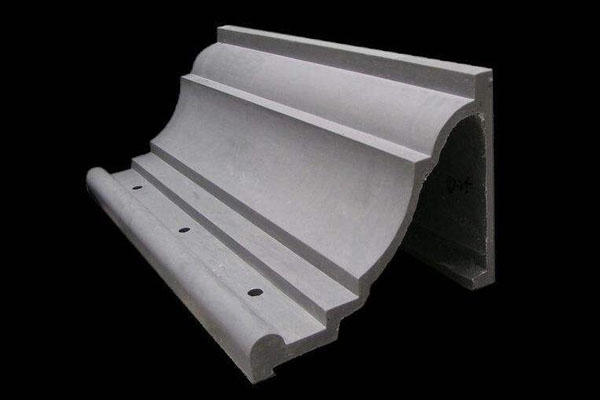
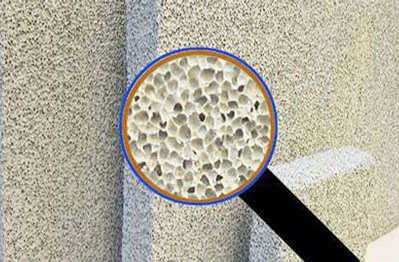
GRC (Glass Fiber Reinforced Cement) products, made from CSA cement combined with alkali-resistant glass fiber, have gained widespread application due to their lightweight, high strength, and durability. CSA cement, with its low alkalinity, effectively reduces the erosion of glass fibers in the production of GRC products, significantly enhancing their durability. Currently, various types of GRC products have been developed, including GRC interior and exterior wall panels, GRC architectural decorative components, artworks, and GRC thermal insulation panels and foamed materials.
As a special type of cement, CSA cement is experiencing unprecedented application opportunities due to its unique properties such as rapid setting, early strength, crack resistance, and anti-corrosion. While CSA cement may not entirely replace ordinary Portland cement, its potential to foster harmonious coexistence between the cement industry and resources and the environment is undoubtedly worth exploring in depth.