WhatsApp
+82 10 9893 2839
Oreworld Trade (Tangshan) Co., Ltd.
Contact Us

How to Store CSA Cement: Shelf Life, Moisture Protection and Quality Control Checklist

Table of Content [Hide]

    Contractors who switch from Portland cement to CSA cement are often surprised by one detail: CSA is noticeably more sensitive to moisture in storage. The same chemistry that makes it set in minutes on the job also makes it react with stray water vapour in a warehouse. The good news is that with correct storage practice, CSA cement keeps full performance for months — here is what you need to know.

    Why CSA Cement Is Moisture-Sensitive

    CSA cement's reactivity comes from ye'elimite (C4A3$) and its calcium sulfate co-ingredients. Unlike Portland clinker, which is relatively inert until mixed with water in bulk, CSA phases begin hydrating on contact with even small amounts of moisture. Surface hydration of a few percent already causes:

    • Pre-hydration crusts — hardened lumps in the bag
    • Longer set times — pre-hydrated particles act as inert filler
    • Reduced early strength — the reactive surface area is consumed before it ever reaches your mix

    Gypsum-bearing blends are particularly vulnerable, since gypsum is mildly soluble and migrates with moisture.

    Shelf Life: The Realistic Numbers

    Packaging & storageExpected shelf life
    Sealed bag, dry warehouse, off floor, ≤65% RH6–9 months at full performance
    Sealed bag, poor conditions (damp, floor contact)2–3 months, performance degradation possible
    Bulk silo, dry compressed-air purged3–6 months
    Opened bag, re-sealed tightlyUse within 1–2 weeks
    Opened bag, left openDays — do not use lumpy material

    For projects with a long lead time, plan delivery to arrive no more than 2–3 months before the rapid-set work begins, and rotate stock oldest-first.

    Warehouse Rules: Seven Practical Measures

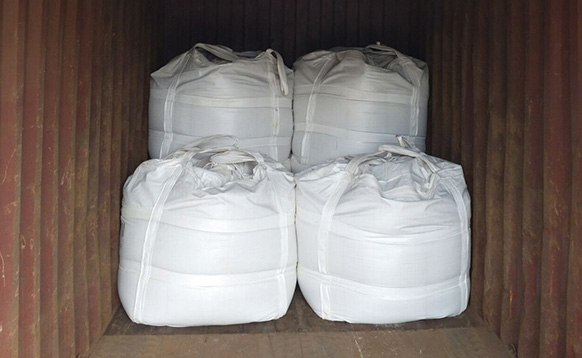
    1. Keep bags off the floor — use pallets with a plastic vapor barrier underneath and over the stack if the shed is unheated.
    2. Keep 30+ cm from exterior walls to avoid condensation zones.
    3. Wrap pallets completely in shrink film for outdoor yards or long storage; puncture only when drawing material.
    4. First-in, first-out discipline: date-stamp incoming pallets and position them for rotation.
    5. No mixed storage: never store CSA adjacent to wet or porous materials, salts or fertilizers that release moisture.
    6. Bulk silos: check the pressure blower's air dryer; humid compressed air injected into a silo is a hidden killer. Purge with dry air only, and inspect silo walls for condensation seasonally.
    7. Opened bags: fold and clamp, or decant into a sealed pail; use within days, not weeks.

    Site QC: A Ten-Minute Acceptance Test

    Before relying on stored cement for a critical rapid-set pour, run this simple check:

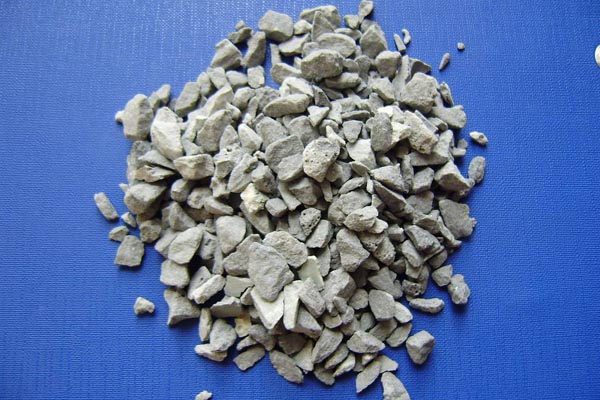
    1. Visual: free-flowing powder, no lumps. Squeeze a handful — it should crush and flow like dry sand, not clench.
    2. Set-time check: mix a small reference batch (known water ratio, e.g. w/c 0.35) and time the initial set with a Vicat needle or, crudely, a thumb-drag test. Compare against the fresh-material benchmark on the product data sheet.
    3. Strength spot check: cast two 40×40×160 mm prisms or cubes; CSA should feel hard within 1 hour and achieve roughly its 1-day spec strength next day.

    If set time has lengthened by more than ~50% versus the data sheet, the material has pre-hydrated — downgrade it to non-critical work (fill, blinding) rather than risk a rapid-repair failure.

    Storage-Specific Notes by Product Family

    • Pure CSA grades (e.g. CSA Cement 42.5, 62.5/72.5): most sensitive; treat storage discipline as part of the specification.
    • Blended/compound products (e.g. Super CSA Cement 62.5): slightly more forgiving but same rules apply.
    • Expansive additives (see our CSA expansive additive): moisture uptake changes expansion behavior; keep sealed until use.

    Frequently Asked Questions

    Does refrigerated storage help?

    Unnecessarily — and cold storage creates condensation risk when bags return to ambient temperature. A dry, cool, ventilated shed is ideal; cold is not required.

    Can lumpy bags be sieved and used?

    For structural or rapid-set work, no. Pre-hydration is not reversible by sieving — the lump is hydrated cement, and the remaining powder has consumed moisture too.

    How should I dispose of expired material?

    Hydrated (set) CSA cement is inert and can typically be crushed and used as fill or aggregate in non-structural applications, subject to local waste rules.

    Bottom Line

    CSA cement rewards disciplined storage with months of full-performance shelf life. Treat moisture like the enemy it is: pallets, barriers, rotation and a ten-minute QC test before critical pours. For shelf-life data specific to your grade and climate, or to schedule a fresh delivery aligned with your project timeline, contact Oreworld.

    Related Products
    How to Store CSA Cement: Shelf Life, Moisture Protection and Quality Control Checklist
    References