+82 10 9893 2839


Calcium Sulfoaluminate (CSA) cement is a fast-setting, high-performance cement known for its rapid strength gain, low shrinkage, and excellent durability. While CSA cement offers unique advantages, proper curing remains crucial to ensure optimal performance. The good news is that CSA cement does not require special curing methods under normal weather conditions. However, standard curing practices should still be applied, with adjustments made for extreme conditions such as high heat, cold, or wind.

Under typical weather conditions (moderate temperatures and humidity), the following standard curing methods are recommended:
Moist Curing
Water spraying or fogging
Wet burlap or fabric coverings
Plastic sheeting to retain moisture
Keep the concrete surface moist for at least 24 to 48 hours to prevent premature drying.
Methods include:
Curing Compounds
Membrane-forming curing compounds can be applied to reduce moisture loss.
Ensure compatibility with CSA cement-based mixes.
Ponding or Immersion
Suitable for flat surfaces like slabs, where water can be retained on the surface.
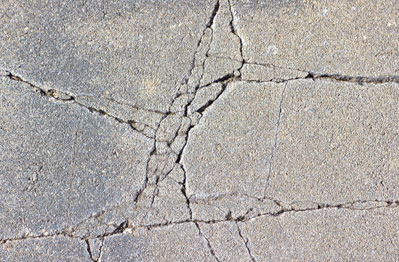
In high temperatures, rapid moisture loss can lead to cracking and reduced strength.
Best Practices:
Apply curing methods immediately after finishing.
Use evaporative retarders or sunshades to reduce heat exposure.
Increase misting frequency to maintain moisture.
Low temperatures can slow hydration and weaken early strength development.
Best Practices:
Use insulated blankets or heated enclosures to maintain temperature.
Avoid curing with water if freezing is possible.
Consider non-freezing curing compounds.
<p class="ds-markdown-paragraph" style="margin: calc(var(--ds-md-zoom)*12px)0; font-size: 16.