+82 10 9893 2839


In the ever-evolving world of construction, the demand for materials that offer both efficiency and durability is paramount. One such material that has been gaining traction is Calcium Sulpho Aluminate (CSA) cement. Known for its fast-setting properties, CSA cement is increasingly being used to replace a portion of traditional Portland cement in various mix designs. This article delves into the unique characteristics, benefits, and applications of CSA cement, providing a comprehensive understanding of why it is becoming a preferred choice in the construction industry.
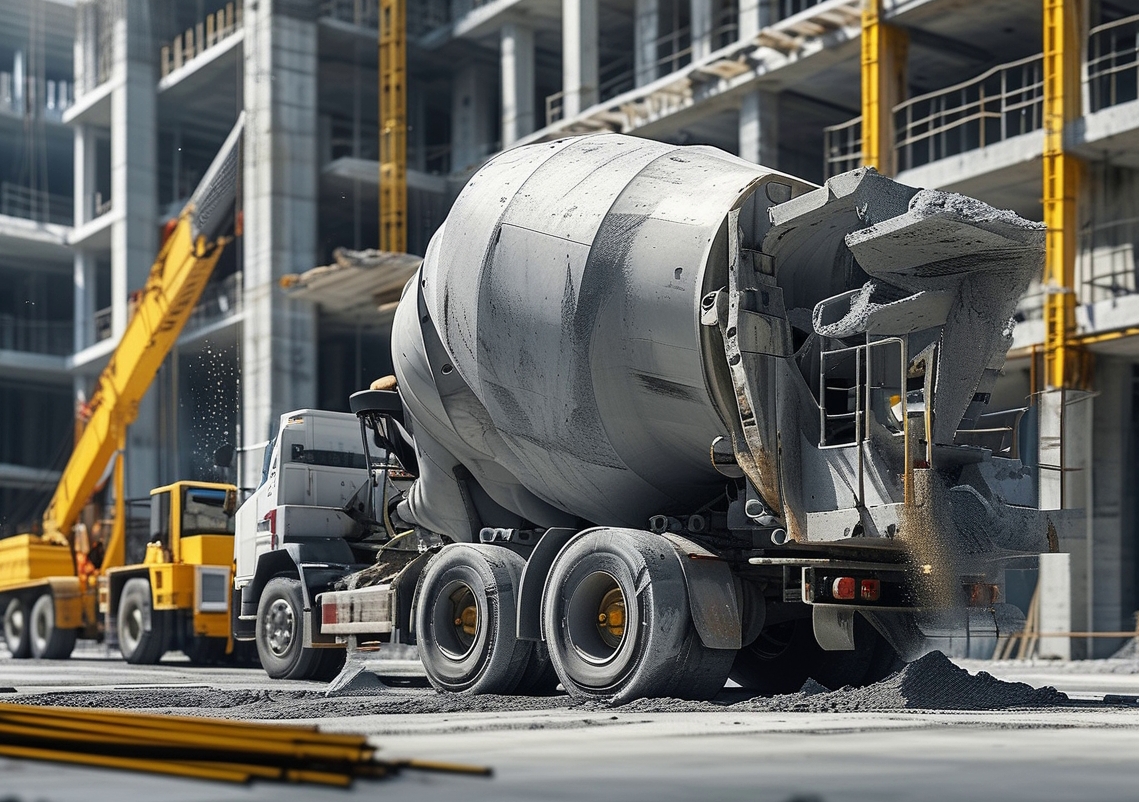
CSA cement is a type of hydraulic binder that is based on calcium sulpho aluminate rather than the calcium silicates that form the basis of Portland cement. This fundamental difference in composition imparts CSA cement with several unique properties, making it highly adaptable for various construction needs.
The primary components of CSA cement include:
These components work synergistically to produce a cement that sets quickly and gains strength rapidly, making it ideal for applications where time is of the essence.
One of the most significant advantages of CSA cement is its rapid setting time. This property allows for the demolding of concrete pieces much earlier than with traditional GFRC (Glass Fiber Reinforced Concrete) mixes. This can be particularly beneficial in precast concrete operations where quick turnaround times are essential.
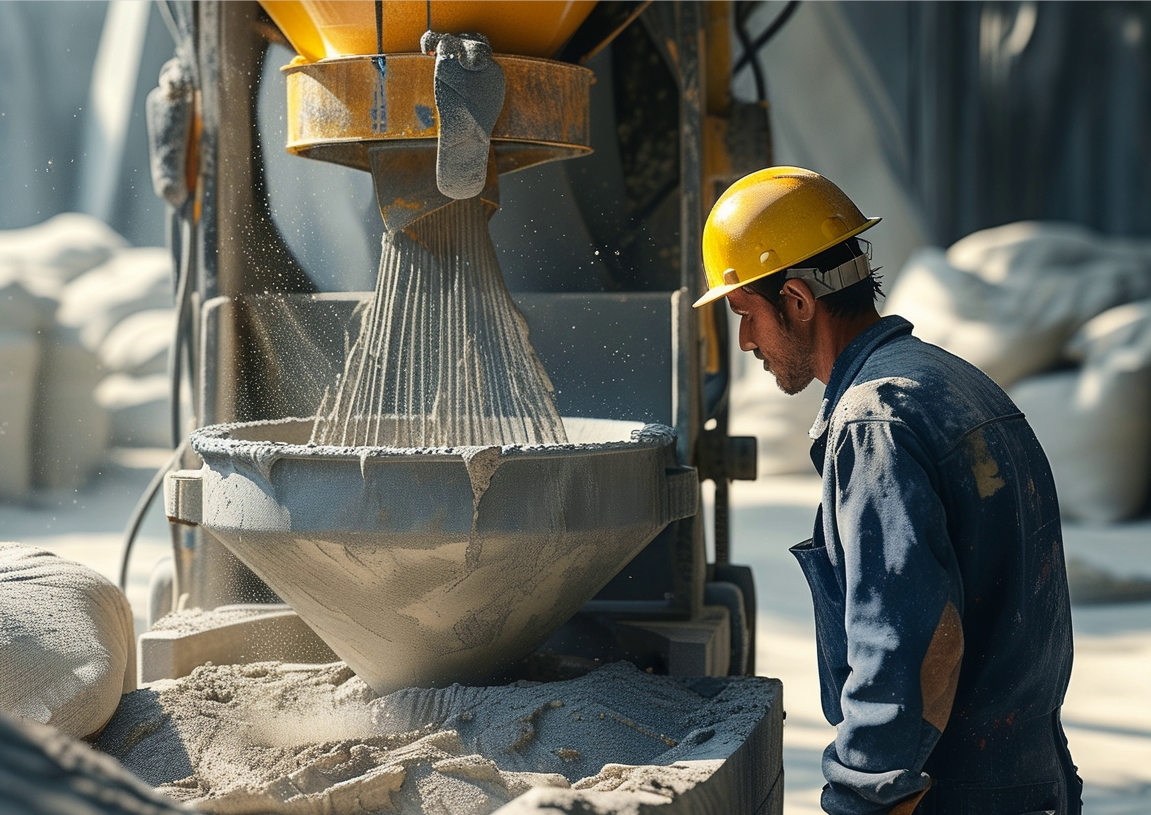
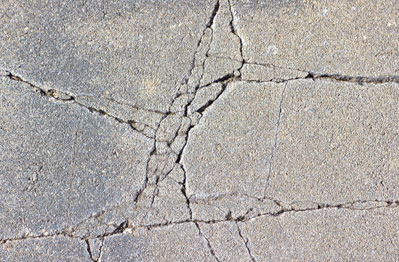
CSA cement exhibits lower shrinkage compared to Portland cement. This reduction in shrinkage minimizes the risk of cracking, leading to more durable and long-lasting structures. The lower shrinkage is attributed to the different hydration products formed during the curing process.
CSA cement production generates less CO2 compared to Portland cement. This is because the raw materials used in CSA cement require lower kiln temperatures, resulting in reduced energy consumption and lower carbon emissions. As the construction industry moves towards more sustainable practices, CSA cement offers an eco-friendly alternative.
CSA cement is highly adaptable and can be used in a wide range of applications, including:
When using CSA cement, it is essential to consider the rapid setting nature of the material. To extend the working time, it is recommended to replace a portion of the mixing water with ice. This helps to keep the batch cool, providing more time for placement and finishing.
CSA cement is compatible with a variety of admixtures, which can be used to further enhance its properties. For instance, superplasticizers can be added to improve workability, while retarders can be used to delay the setting time if needed.
When incorporating CSA cement into a mix design, it is typically used to replace a portion of the Portland cement. The exact proportion will depend on the specific requirements of the project, such as the desired setting time and early strength. A common approach is to replace 20-30% of the Portland cement with CSA cement.
In a recent project involving the production of precast concrete elements, CSA cement was used to replace 25% of the Portland cement. The results were impressive, with the elements achieving sufficient strength for demolding within just 6 hours. This allowed for a significant increase in production efficiency and reduced storage space requirements.
In another case, CSA cement was used for the rapid repair of a damaged bridge deck. The fast-setting properties of the cement allowed the repair work to be completed overnight, minimizing disruption to traffic and reducing the overall project timeline.
Calcium Sulpho Aluminate (CSA) cement is a versatile and efficient material that offers numerous benefits over traditional Portland cement. Its fast-setting properties, high early strength, reduced shrinkage, and environmental advantages make it an ideal choice for a wide range of construction applications. By understanding the unique characteristics and practical considerations of CSA cement, construction professionals can leverage its benefits to achieve faster, more durable, and sustainable results.
 cement.jpg "/uploads/image/2025/05/14/(CSA) cement.jpg")
As the construction industry continues to evolve, materials like CSA cement will play a crucial role in meeting the demands for efficiency, durability, and sustainability. Whether for precast concrete, rapid repairs, or other applications, CSA cement offers a promising solution for the challenges of modern construction.
Precast Concrete: Ideal for producing precast elements that require quick demolding and high early strength.
Repair and Rehabilitation: Perfect for repair works where rapid setting and minimal downtime are crucial.
Flooring: Suitable for fast-track flooring installations where quick access is needed.
Tunneling and Mining: Used in shotcrete applications for rapid support and stabilization.
Calcium Sulpho Aluminate (C4A3S): This compound is responsible for the rapid setting and high early strength of CSA cement.
Calcium Sulfate (Gypsum): Acts as a set regulator.
Calcium Aluminate: Contributes to the overall strength and durability.