+82 10 9893 2839

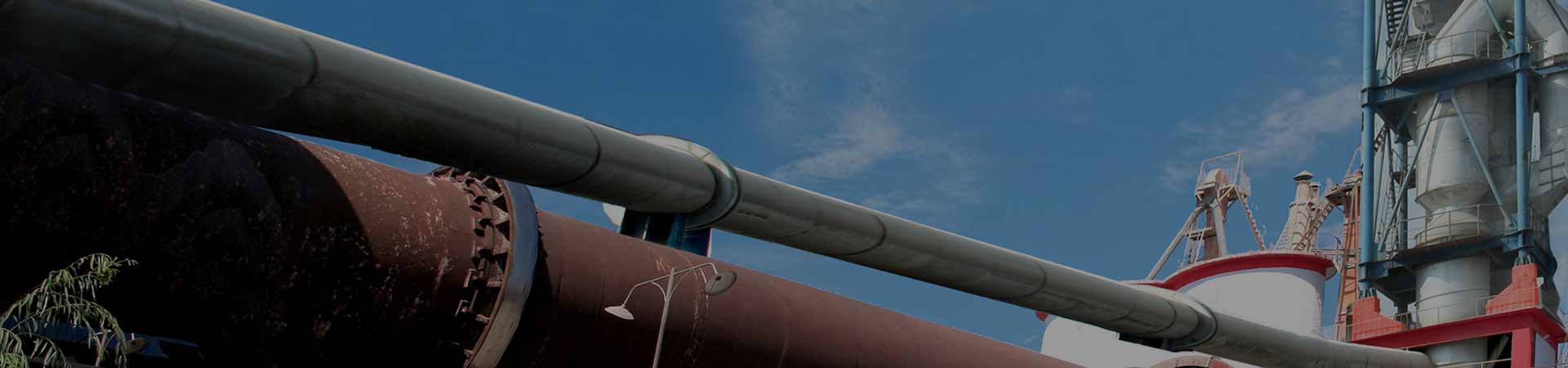

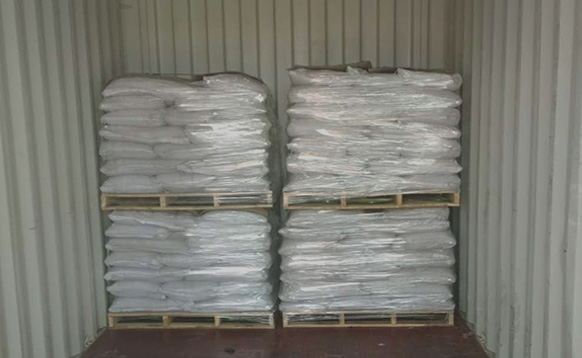
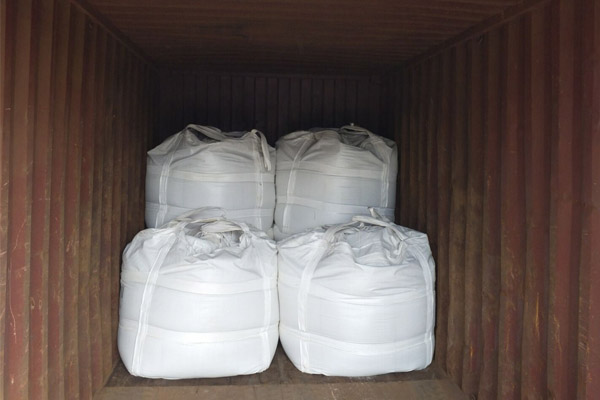
High alumina cement, also known as bauxite cement or aluminate cement, is a type of hydraulic cement where aluminate serves as the primary mineral component. This cement is produced by combining bauxite and lime in specific proportions, followed by calcination and grinding. Its unique properties make it suitable for various specialized applications.
.png "/uploads/image/2025/08/18/High Alumina Cement (2).png")
In summary, high alumina cement’s unique properties of rapid strength development, heat resistance, and sulfate corrosion resistance make it a versatile material for a wide range of specialized applications in various industries.
Rapid Strength Development: High alumina cement is known for its rapid early strength gain. This makes it ideal for creating fast-hardening concrete and mortar, which are essential for emergency construction, urgent repairs, sulfate-resistant structures, and winter construction projects.
.png "/uploads/image/2025/08/18/High Alumina Cement (3).png")
Heat-Resistant Concrete and Mortar: Due to its high strength and heat resistance, high alumina cement is perfect for heat-resistant engineering applications. When combined with refractory materials, it forms concrete and mortar that can withstand high temperatures, making it suitable for industries such as metallurgy, chemical processing, petroleum, machinery, and building materials.
.png "/uploads/image/2025/08/18/High Alumina Cement (4).png")
Cold Weather Construction: High alumina cement hydrates quickly and generates heat rapidly, which is advantageous in low-temperature conditions. Construction projects conducted at temperatures above 5°C can benefit from this property, as it eliminates the need for steam curing and other cold-weather precautions, thereby accelerating project timelines.
.png "/uploads/image/2025/08/18/High Alumina Cement (5).png")
Sulfate Corrosion Resistance: This cement exhibits excellent resistance to sulfate corrosion, making it suitable for seaport infrastructure, railway construction, and projects in salt lake regions. It is also effective for weakly acidic pressurized water pipelines and similar applications.
.png "/uploads/image/2025/08/18/High Alumina Cement (6).png")
Specialized Cement Production: High alumina cement can be used as a raw material to produce various specialized cements, including expansion and contraction compensation cements, heat-resistant and corrosion-resistant cements. Examples include aluminate self-stressing cement, silicate self-stressing cement, gypsum geotechnical expansion cement, impervious and non-shrinking cement, heat-resistant oil well cement, ammonium-resistant polymer cement, and super fast hardening cement.
Miscellaneous Uses: Beyond construction, high alumina cement (calcium aluminate powder) is a key ingredient in water purifiers, with an aluminum content exceeding 53%. It is also used in the production of inorganic granite (artificial marble). Additionally, it finds applications in making chemical industry catalysts, antifreeze concrete, anti-neutron radiation concrete, casting models, spark plugs, and arc reducing covers for electrical switches.